Products 2026
Shekl
A browser CAD tool where a human and an AI edit the same parametric document.
Shekl is a browser-based parametric CAD tool built around one idea: a person and an AI edit the same parametric document, at the same time. The human clicks geometry in a 3D viewport and describes intent; the AI works through MCP tools. Neither side gets a separate copy of the model.
The kernel comes first
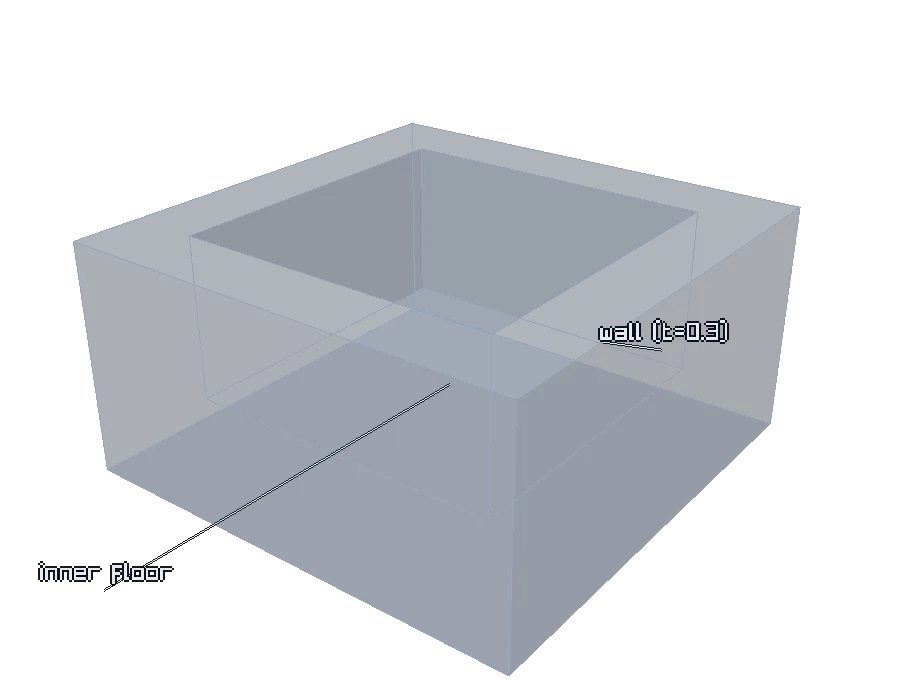
Most browser CAD tools start with a mesh and add solid modelling later. That shortcut leaks: fillets approximate, booleans fail on coincident faces, and STEP export loses the feature history. Shekl starts from a boundary-representation kernel written from scratch in C3 — analytic surfaces (plane, cylinder, cone, and sphere as exact rational-Bézier patches), watertight topology, and operations that stay exact inside that tier: extrude, revolve, booleans, fillets and chamfers, sweep, loft, shell, offset, and draft.
The trade is deliberate: freeform NURBS surfaces wait until the analytic tier is right.
One document, two editors
The document is an operation log of named nodes. References are topological rather than positional, so a face keeps its identity when earlier features change. The constraint solver, the geometry kernel, and the AI all read and write that same log; the AI’s tools are a public interface, not a side channel.
That constraint shapes the rest of the system. Units and tolerances have a single definition. The C3-to-Elixir ABI is specified down to the wire format, because a kernel that disagrees with its host about millimetres is worse than no kernel.
The stack
C3 for the kernel and the solver bridge, compiled to WebAssembly. Phoenix LiveView for the application shell, workspaces, and collaboration. PostgreSQL for documents and teams. The solver handles 2D and 3D constraints with a Jacobian/QR diagnosis path, then Levenberg–Marquardt, Dog Leg, and BFGS for the actual solve.
Where it is
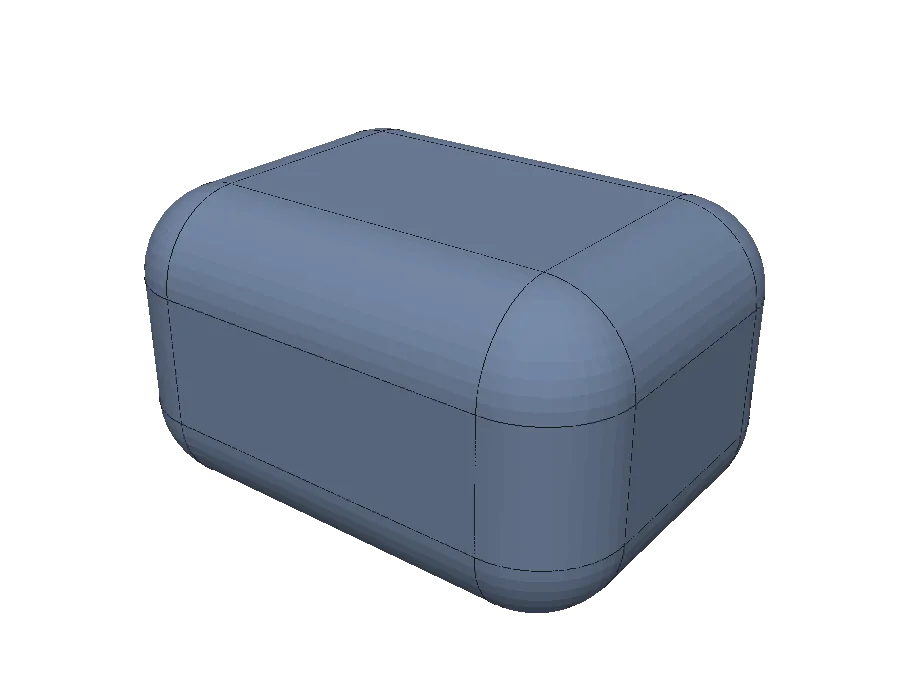
Shekl is in a pre-build design phase: the kernel, document model, solver, and interaction model are specified in depth, and the vertical slice — sketch, constrain, extrude, cut — is being built. The cover image is real kernel output, not a mock-up.